
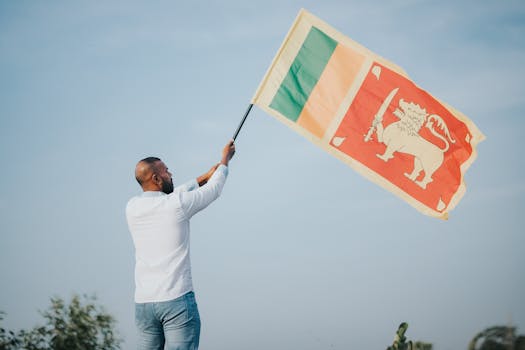
India’s potential scheduling of three T20 International matches against Sri Lanka later this year raises important questions about the strategic direction of cricket administration and the implications for players, fans, and the sport as a whole. While fans may see this as an opportunity to rally behind their teams, the underlying logistics and consequences of such series warrant a closer examination.
Firstly, the cricketing calendar is overflowing, and the decision to squeeze in an additional series—especially one comprising three matches—seems increasingly indicative of a sport trying to balance commercial interests with player welfare. Cricket boards around the world are under persistent pressure to maximize revenue through viewership and sponsorships. Each match in a populous cricketing nation like India is a potential goldmine, yet the challenge lies in ensuring that the athletes do not become mere pawns in a game dictated by financial imperatives.
The matches against Sri Lanka, set against the backdrop of an NBA-style T20 rush, seem designed to capture the excitement of shorter formats at a time when traditional formats face declining engagement. Quite apart from this marketing strategy, the implications for on-field performance are concerning. Players require adequate rest and opportunities to recuperate in order to maintain peak performance. Committing to additional matches risks injury and fatigue among athletes, consequently diminishing the quality of competition. Notably, teams that are overextended do not only suffer in terms of player health but risk eroding the very fabric of the game that fans hold dear.
Moreover, while T20 matches promise entertainment, they can dilute the significance of national pride and heritage that accompanies longer formats like Test cricket. Fans must grapple with the competing narratives of traditional vs. modern cricket, and the allure of T20 might overshadow the foundation upon which cricket has thrived. With Sri Lanka being a transformative cricketing nation, the historical context of such matches carries its own weight; thus, the three-match series should demand careful consideration of its potential repercussions on cricket’s rich legacy.
Lastly, for Sri Lanka, participating in these three T20s presents both an opportunity and a challenge. Their emerging cricket structure, with players looking to showcase their talent against a heavyweight like India, might in theory foster growth. Yet, it risks overshadowing long-term structural rebuilding efforts that the nation critically requires. The lure of short-term gains from an extra few T20s must not detract from addressing foundational issues, including youth development and domestic competitions.
The proposed three T20Is against Sri Lanka are, on the surface, a nod to the ever-evolving landscape of cricket. However, this situation encapsulates a broader tension within the sport. As stakeholders weigh commercial desirability against the demands for sustainable development and player health, the cricket fraternity stands at a crossroads. The decisions made now will echo throughout the sport’s future—which, when it comes down to it, ought to prioritize the integrity of the game over transient gains.