
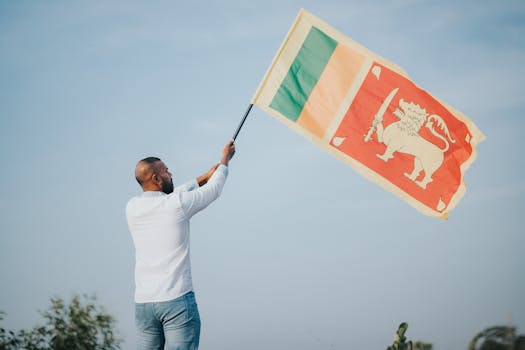
India’s potential three T20 International matches against Sri Lanka later this year could serve as a litmus test not just for the players but for the entire framework of cricket diplomacy and bilateral relations between the two nations. The fixtures, should they materialize, are more than just routine matches; they reflect the complex interplay of sporting significance against a backdrop of regional politics and cricketing history.
The prospect of three matches is emblematic of India’s ongoing efforts to strengthen ties with its neighbors through sport. Historically, cricket has been a unifying force in South Asia, transcending borders and cultural differences. Yet, this time, it is also laden with expectations. The question arises: what are the true stakes behind these matches, beyond mere wins and losses?
The scheduling remains tentative, which raises eyebrows. In the world of international sports, uncertainty can dampen enthusiasm. Upcoming fixtures often hinge on political climates, and relations between India and Sri Lanka have not always been smooth. The timing of the matches could also impact player performance, particularly if they coincide with other crucial tournaments or series.
For players, these games represent an opportunity to reassert dominance, especially as India heads towards critical selections for future major tournaments. T20s are unique in their fast-paced nature, allowing players to display their skills in a compressed format. It could also be a chance for emerging talents to shine on a larger stage, as seasoned veterans seek to balance the necessities of experience with the vigor of youth.
However, the commercial aspect cannot be ignored. Television rights, sponsorship deals, and audience engagement are key components that drive the profitability of cricket today. This proposed series against Sri Lanka raises the question of marketability—could it capture the attention of fans both in India and Sri Lanka, or will it be overshadowed by other, more lucrative series?
In analyzing the broader implications, it is vital to reflect on how such a series could foster peace and goodwill in a region often marked by tension. Sporting events often pave the way for dialogue and understanding, a powerful testament to cricket’s unique ability to bring people together.
As the cricketing calendar unfolds and negotiations continue, what remains clear is that these three T20Is could hold more weight than initially meets the eye. The potential ramifications reach far beyond the pitch, affecting everything from fan sentiment to regional politics. The challenge will be for all involved—players, administrators, and fans—to navigate these waters judiciously, understanding that while cricket is a game, it also carries the capacity to alter perceptions and cultivate relationships on and off the field.