
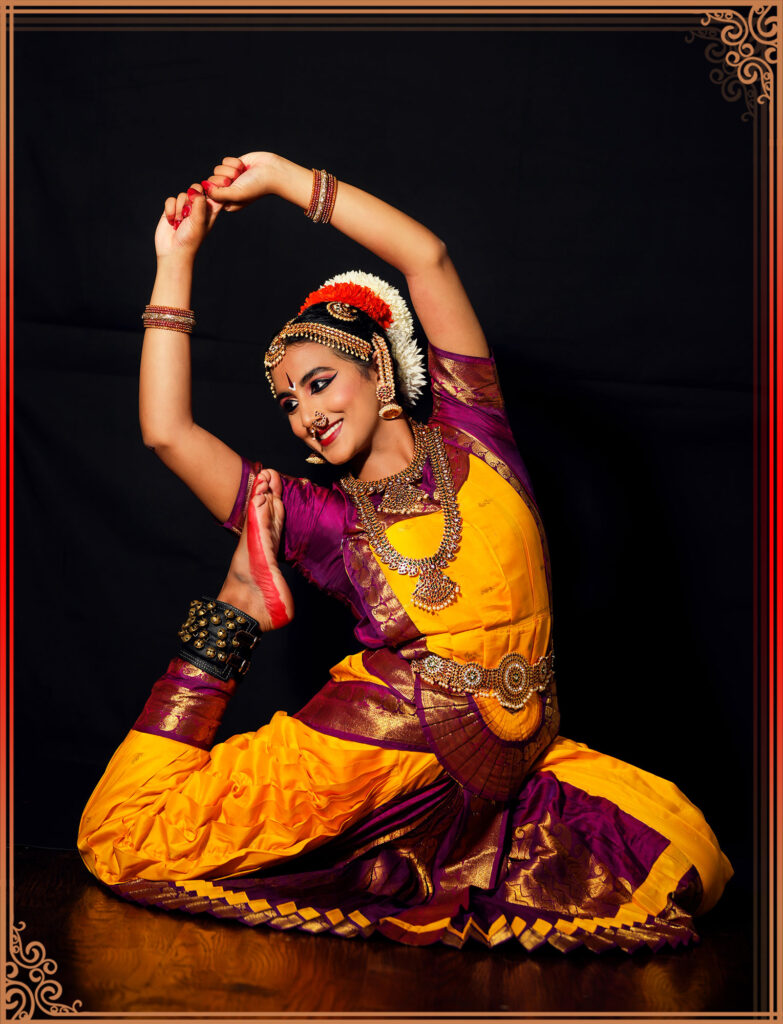
The recent gathering of over 5,000 Bharatanatyam dancers in Colombo to set a new Guinness World Record marks not just a remarkable display of cultural heritage but raises several important questions about the motivations, implications, and sustainability of such monumental events.
First, the sheer scale of this achievement is impressive. With more than 5,000 participants, the event underlines the relevance and appeal of Bharatanatyam, a classical Indian dance form rooted in tradition. This level of participation signals not only a commitment to preserving cultural forms but also a powerful communal identity among dancers and supporters alike. In a time when globalization threatens to dilute local cultures, this monumental gathering acts as a bulwark, showcasing the vibrancy and resilience of traditional expressions.
However, a world record set for the sake of a record invites scrutiny. What does it genuinely achieve beyond a moment of fame in a book of records? Events of this scale necessitate planning and resources, which could arguably be redirected toward sustaining dance scholarship, supporting local artists, or funding community outreach programs that ensure the longevity of Bharatanatyam for future generations. While creating a visually stunning spectacle with 5,000 dancers is undoubtedly awe-inspiring, does it translate to tangible benefits for the art form or its practitioners?
Furthermore, questions arise regarding the inclusivity of such events. Bharatanatyam, though celebrated worldwide, often faces criticism regarding accessibility, particularly in the contexts of socio-economic barriers that may prevent aspiring dancers from participating. The potential elitism inherent in large-scale performances raises concerns about who gets to participate in these celebrations of culture. Are these events welcoming to all strata of society, or do they inadvertently reinforce existing disparities?
The Colombo event may have successfully captured the attention of local and international media, but as we applaud this achievement, it is essential to reflect critically on the long-lasting impacts such gatherings intend to create. A record is a moment frozen in time, but real change requires ongoing commitment. As the dance community basks in the limelight, stakeholders should prioritize the means by which they can cultivate and support the art form beyond the immediate thrill of breaking records. Engaging youth, offering scholarships, and creating platforms for broader participation must be part of the long-term vision moving forward.
In conclusion, while the gathering of over 5,000 Bharatanatyam dancers in Colombo represents a celebratory landmark, it is essential to ask whether such monumental achievements can transition beyond mere spectacle to foster enduring cultural vitality and inclusivity within the dance community. True celebration lies not only in the record itself but in the legacy it creates for dancers, audiences, and future generations.