
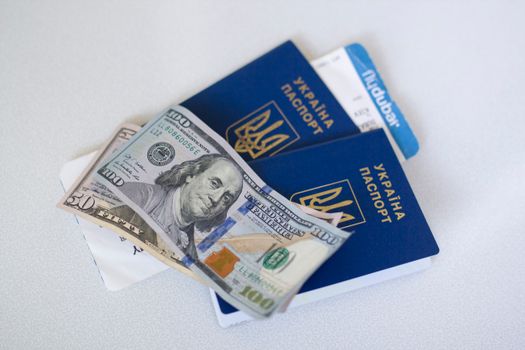
The introduction of a 48-hour tourist visa by the UAE, alongside countries such as India, Bahrain, Pakistan, Qatar, Bangladesh, Nepal, and Sri Lanka, marks a significant shift in international travel dynamics. This initiative promises hassle-free travel and opens the door for last-minute trips, aiming to create a surge in worldwide tourism. However, beneath this optimistic surface lie several critical considerations that warrant examination.
Firstly, the very concept of a 48-hour visa raises questions about the implications for both tourists and host countries. While the appeal of spontaneous travel is undeniable, it is crucial to scrutinize how such a rapid visa process will be managed. Will it be robust enough to screen for security threats effectively? With tourism historically being a double-edged sword, countries must balance the urge to boost economic activity through tourism with the pressing need for national security and public safety.
Additionally, the invitation for last-minute travel can contribute to an oversaturation of popular destinations. Locations that already struggle with overcrowding may find themselves overwhelmed with tourists taking advantage of this expedited visa process. This raises concerns about the potential degradation of local environments and cultural heritage. Sustainable tourism practices must be at the forefront of this initiative to prevent the very appeal of these destinations from being eroded.
Furthermore, while the concept of a hassle-free visa sounds attractive, the effectiveness of its implementation across diverse bureaucratic landscapes remains uncertain. Countries with varying levels of tourism infrastructure and differing standards of consular services may struggle to provide a consistently smooth experience. The enthusiasm generated by such a program could easily wane if tourists encounter bureaucratic bottlenecks that nullify the promise of a seamless travel experience.
Moreover, the initiative’s purported capability to “unlock last-minute trips” cannot overlook the significant impact that rapid visitor influx can have on local economies, which can be both an opportunity and a liability. As tourism spikes, local businesses could experience a boon, but the lack of preparedness for sudden increases in demand could also lead to price inflation and resource strain. Without adequate planning and collaboration among participating nations, the benefits of increased tourism may not be evenly distributed.
Lastly, while the headline buzz implies a sweeping positive change for global tourism, there is a need for genuine collaboration among participating countries to ensure the systemic support that this initiative demands. Will there be shared technological frameworks for processing applications? How will facilities for tourists be coordinated? An initiative of this magnitude requires comprehensive dialogue among nations to address these logistics.
In summary, while the 48-hour tourist visa initiative encapsulates an exciting potential for enhancing global travel, a thorough analysis reveals the necessity for meticulous planning and a commitment to sustainable practices. By recognizing the complexities behind this promising development, participating nations can better navigate the fine line between promoting tourism and preserving the integrity of their cultural and natural landscapes.