
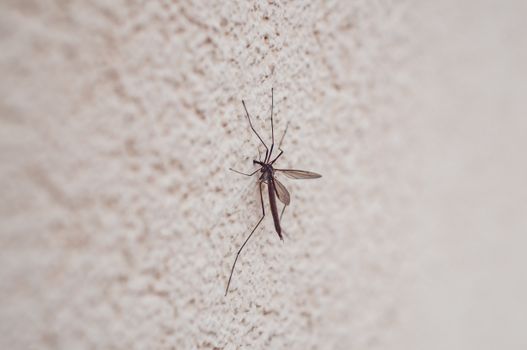
Sri Lanka is launching a nationwide mosquito control campaign, prompted by an alarming spike in dengue cases. The rationale behind this initiative is backed by stark statistics: since the beginning of the year, a staggering 92,757 dengue infections have been recorded, along with 25 fatalities. The scale of this outbreak cannot be understated; it compels urgent action to restore public health and safety.
However, this governmental response raises critical questions regarding the underlying factors contributing to this public health crisis. Sri Lanka’s tropical climate, while inherently conducive to mosquito breeding, is only one dimension of the problem. The failure to implement sustained vector control measures and community education programs over the years lays bare a systemic neglect in addressing the infrastructural and environmental conditions that allow such outbreaks to proliferate. In essence, a reactive rather than proactive stance has characterized the nation’s approach to mosquito-borne diseases, and this campaign appears as a knee-jerk response rather than a carefully strategized public health initiative.
The government’s announcement comes amid reports indicating specific regions are disproportionately affected. Areas that are experiencing the highest incidence rates demand targeted interventions rather than blanket strategies that may overlook local conditions. Public health campaigns thrive on the specificity of data-driven approaches; therefore, pinpointing hotspots for intensified vector control and community engagement could yield better outcomes.
Moreover, the reliance on chemical control measures, often a quick fix for mosquito populations, begs scrutiny. The potential downsides of excessive pesticide use—including environmental damage and adverse health effects on populations—must be weighed against immediate benefits. If neglect continues in building sustainable sanitation practices and promoting community-based initiatives, the frequent reliance on mosquito control campaigns may only serve as a Band-Aid for deeper, unresolved issues.
This campaign can act as a catalyst for broader discussions on environmental management and public health infrastructure. The time is ripe for Sri Lanka to not only address the current dengue crisis but to also adopt an integrated approach that encompasses environmental planning, health education, and the reduction of mosquito breeding sites. It’s not enough to extinguish the fire; one must also examine the fuel that keeps it burning.
As the campaign rolls out, vigilance must accompany action. Local governments and communities should be inclined to monitor the impact not only on dengue case numbers but on overall community health, environmental conditions, and public awareness. The fight against dengue is not merely a battle against mosquitoes; it’s a comprehensive endeavor that intertwines health policy with environmental stewardship and community resilience—a multi-faceted approach necessary to break the cycle of dengue outbreaks in Sri Lanka.