
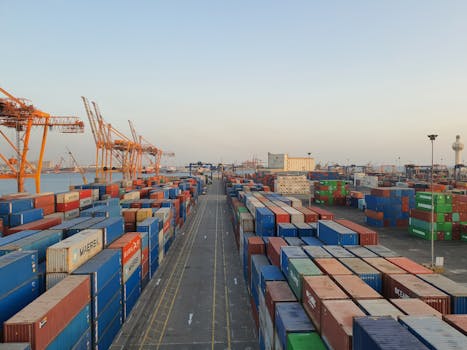
The Sri Lankan government has introduced measures aimed at reducing imports and fuel usage in response to ongoing economic challenges. This initiative is part of a broader strategy to stabilize the economy and manage rising inflation and energy costs.
Officials are focusing on encouraging local production to lessen dependency on imported goods. These efforts come amid growing concerns over foreign currency reserves and the impact of global market fluctuations on the national economy. By prioritizing domestic resources and minimizing the fuel consumption, authorities hope to create a more sustainable economic framework that can withstand external shocks.
Analytical Perspective
The move to curtail imports and fuel use reflects a strategic pivot towards economic self-sufficiency, a necessity exacerbated by recent global economic conditions. This approach could potentially bolster local industries and create jobs, yet it may also face challenges, including resistance from consumers accustomed to imported goods and potential increases in prices due to reduced competition. The success of these measures will hinge on the government’s ability to effectively implement policies that promote local production while ensuring affordability for citizens.
Public domain and our sources.