
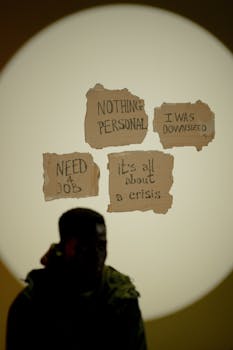
Sri Lanka’s tumultuous journey over the past few years takes another ominous turn, as the nation finds itself on the precipice of yet another massive crisis. A former deputy governor has emerged to sound the alarm, underscoring the perilous state of the country’s economy and governance. This dire warning requires careful examination, as it encapsulates broader systemic issues that have persisted and worsened in the region.
As of late, economic indicators paint a grim picture. Despite attempts to stabilize following the devastating impacts of the recent global downturn, structural weaknesses have not only remained but have expanded. Key sectors like agriculture and tourism, which are central to the economy, continue to struggle without a coherent strategy for recovery and growth.
The financial mismanagement that contributed to Sri Lanka’s previous economic meltdown remains unresolved. The nation is grappling with burgeoning debt, which stands at a staggering 15.5 billion USD owed to external creditors alone. This figure is not merely a statistic; it represents hardship, with citizens bearing the brunt of austerity measures.
Unemployment rates, which have already grown alarmingly high, face further exacerbation. Lack of confidence among investors will likely lead to decreased foreign investment, compounding the difficulties for an economy still staggering from the aftermath of previous governmental failings. The refusal to implement comprehensive reforms hampers progress. Without a renewed commitment to transparency and accountability, livelihoods will continue to dwindle.
Moreover, the government’s approach to inflation, reported at 14.5% in the last quarter, reveals an inability to navigate economic pressures. Citizens are feeling the impact—rising food prices and a squeeze on basic commodities threaten to drive more families into poverty. When the foundation of a nation’s economic framework crumbles, it’s people pay the price. The political response has been lackluster, often marred by indecision and a failure to engage in meaningful dialogue with constituent communities regarding their needs and concerns.
This cyclical nature of crises in Sri Lanka invites scrutiny of political leadership and their vision—or lack thereof—for the future. The absence of actionable plans indicates a neglect that threatens not just economic recovery but also the social fabric of the nation.
As the risk of slipping into a more profound crisis looms, urgent and strategic measures must be adopted. It is not merely about managing debts or inflation; it’s about restoring faith in the frameworks of governance that should serve the public interest. While there is no silver bullet for these challenges, a communal, responsible approach can catalyze change.
As we observe these developments, it is clear that Sri Lanka stands at a critical junction. With the insights of seasoned economic leaders like the former deputy governor ringing in our ears, the question now is whether political will and societal solidarity can reforge a path toward hope and stability in a landscape cast in uncertainty. The stakes have never been higher for the nation’s leaders to act with integrity and purpose.