
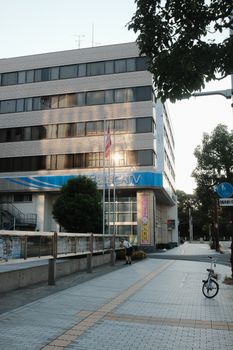
The opening of the Sasakawa Centre introduces a notable architectural feature to the Colombo skyline, reflecting the ongoing evolution of urban spaces in Sri Lanka. As a new landmark, it serves not only a functional purpose but also embodies the aspirations of a city striving for modernization. Yet, amid the architectural enthusiasm, this development invites scrutiny regarding the broader implications for the city and its inhabitants.
The centre’s architectural design represents an effort to enhance Colombo’s aesthetic appeal. In the context of rapid urbanization, it is crucial that infrastructure developments align with cultural sensitivity and environmental sustainability. The challenge remains: does the Sasakawa Centre genuinely integrate the cultural narrative of Colombo, or does it reflect a superficial nod to modernity that overlooks the city’s rich historical context? This aspect will be pivotal in shaping not just city aesthetics but also the collective identity of its residents.
Furthermore, the socio-economic context around such projects requires examination. Construction and maintenance of new structures often create short-term employment opportunities, yet they can also lead to increased living costs and displacement of low-income communities. As Colombo’s skyline transforms, how are local residents affected? Is this development accessible to everyone, or is it intended solely for an elite demographic? These questions reveal the possibility that new buildings could intensify socio-economic divides rather than foster inclusion.
Then, there’s the environmental angle to consider. With the increased development of urban infrastructure, the pressure on Colombo’s natural resources becomes concerning. Striking a balance between modern developments and environmental conservation is critical. Can the Sasakawa Centre serve as a model for sustainable urban architecture, or will it contribute to further environmental degradation amidst the quest for modernization?
This architectural addition serves as a catalyst for broader discussions about the urban landscape of Colombo. While it may stand tall against the skyline, the implications of its existence echo through the socio-economic and environmental fabric of the city. The development of such centres must not only be viewed through the lens of architectural brilliance but also through a comprehensive understanding of their role in shaping an equitable and sustainable urban future. The Sasakawa Centre is not just another building; it stands at the crossroads of opportunity and responsibility, challenging city planners and stakeholders to tread carefully in their pursuit of progress.