
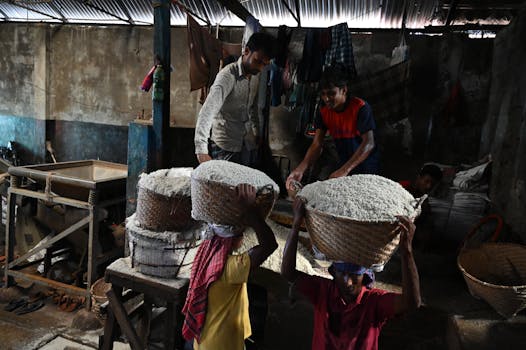
Rights groups have raised alarms regarding the prevalence of forced labor in Sri Lanka, citing extensive evidence of exploitation across several industries. Reports indicate that vulnerable populations, including migrant workers and women, face severe working conditions, with limited recourse for seeking justice. These organizations are advocating for urgent reforms to address the rampant abuse and demand government accountability in ensuring labor rights.
The call to action comes as international scrutiny of Sri Lanka’s labor practices intensifies, with various entities urging the government to ratify relevant conventions and implement stricter enforcement mechanisms. Advocacy for improved labor laws emphasizes the necessity of safeguarding workers’ rights and promoting ethical treatment. The broader implications of continued inaction include potential trade repercussions and the tarnishing of the country’s international image, which could impact economic stability.
Analytical Perspective
This situation underscores a critical intersection of human rights and economic policy in Sri Lanka. The reliance on cheap labor has raised significant ethical concerns, particularly as it involves marginalized groups. The government’s response to these allegations will be pivotal in shaping the nation’s labor landscape and its engagement with the international community. As awareness grows, Sri Lanka must take proactive measures to align its labor practices with global standards to foster a more equitable environment.
Public domain and our sources.