
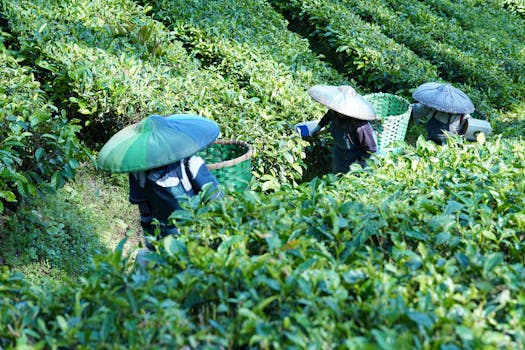
The ongoing conflict in the Middle East has significantly impacted Sri Lanka’s tea industry, leading to economic strain and adverse effects on worker livelihoods. As the market for tea experiences volatility, laborers and producers face a challenging future.
Sri Lanka, known for its rich tea production, is experiencing disruptions as import and export routes are affected by the geopolitical tensions. These disruptions have resulted in decreased demand for tea, which is a vital source of income for many families in the region. Plantations report a drop in profits, prompting concerns about the long-term sustainability of workers’ livelihoods and the industry as a whole. The situation has prompted calls for support for affected workers, signaling the urgent need for stability to protect this crucial sector.
Analytical Perspective: The interplay between global conflicts and local economies highlights the vulnerabilities of industries heavily reliant on international markets. As geopolitical issues disrupt trade flows, sectors like tea production in Sri Lanka serve as a stark reminder of the interconnectedness of the global economy, where local livelihoods hinge on international stability. Moving forward, it is essential for stakeholders to explore diversification and protective measures to shield the industry from such external shocks.
Public domain and our sources.