
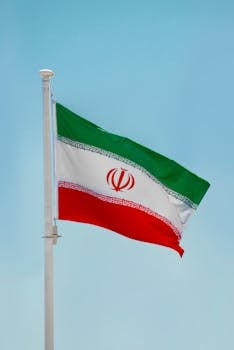
The tea industry in Sri Lanka faces a significant crisis as the conflict in Iran disrupts supply chains and impacts production. With rising costs of key inputs and export challenges, producers are grappling with potential losses that threaten one of the nation’s most crucial economic sectors.
The ongoing geopolitical tensions have led to increased prices for fuel and raw materials, which are essential for the tea production process. As shipping routes are affected and international buyers become wary, Sri Lanka’s economy, heavily reliant on tea exports, may experience severe repercussions. These developments pose risks not only to producers but also to workers and communities dependent on this vital industry for their livelihoods.
Analytical Perspective: The crisis in Sri Lanka’s tea sector underscores the vulnerabilities of economies reliant on single industries, particularly in the face of geopolitical instability. As the nation navigates these challenges, it may need to explore diversification strategies and seek alternatives to enhance resilience against future disruptions. The linkage between local economies and international conflicts reveals a complex interplay that must be addressed to safeguard livelihoods and ensure sustainable economic growth.
Public domain and our sources.