
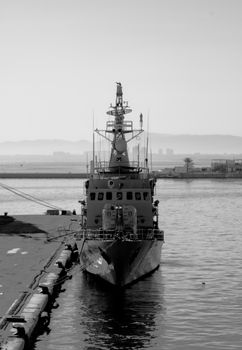
The recent arrival of the Indian Navy ship INS Sharda in Colombo has ignited discussions regarding the strategic maritime dynamics in the Indian Ocean region. This event is not merely a celebratory naval visit; it underscores the growing complexity of international relations surrounding Sri Lanka, India, and the broader geopolitical landscape.
The INS Sharda’s docking signifies more than just shared maritime interests; it raises questions about regional security and the balance of power. Sri Lanka, strategically positioned along vital shipping lanes, has garnered attention from multiple global players, particularly India and China. The evident push from India to solidify defense ties with Sri Lanka might reflect deeper concerns about China’s increasing influence in South Asia.
India’s longstanding history of naval cooperation with Sri Lanka gets a modern update, framing this visit as a necessary effort to counter what is perceived as an encroaching rivalry. The Indian Navy’s commitment to engage with its neighbors manifests in this instance, reminding us of the complexities of maritime diplomacy. The overtures of goodwill from India, exemplified through the INS Sharda, are as much about collaboration as they are about asserting presence.
However, this arrival poses significant implications for Sri Lanka’s policies. The island nation must navigate an intricate web of allegiances, balancing its relations between India and China while safeguarding its sovereignty. The expectation for Sri Lanka to choose sides is indicative of an increasingly polarized environment. Should Colombo lean more toward India, how would that affect its relationships with other nations, including China, who are deeply invested in its infrastructure and development projects?
The context of the INS Sharda’s visit must also be examined against the backdrop of Sri Lanka’s own maritime security challenges. Any perception of reliance on external powers for security could compromise the nation’s position in regional affairs. Sustainability in defense cooperation will demand that Sri Lanka maintain a clear stance on independence and self-determination, resisting the gravitational pull of great power politics.
As INS Sharda receives its ceremonial welcome, it becomes a focal point for broader discussions about security, diplomacy, and the future of international maritime cooperation in an increasingly contested arena. Each visit of this nature needs to be scrutinized for not just what it represents in naval terms, but also what it signifies for the local populace and for the nation’s own policy independence. The ship may arrive with its crew and equipment, but it is the currents of diplomacy and regional strategy that will determine how lasting the effects of its visit will be.