
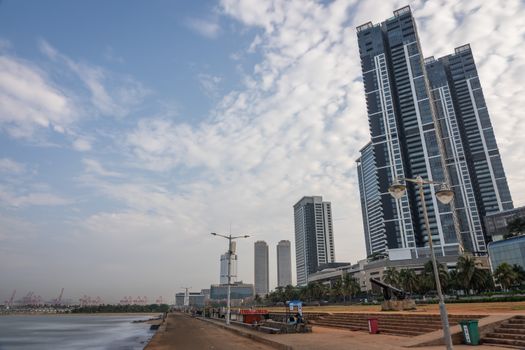
Sri Lanka’s tourism sector is often hailed as a barometer of the nation’s economic pulse, and the recent announcement regarding Colombo’s tourism growth in 2026 confirms its significance. While the figures reveal an unprecedented rise in visitor numbers, they also illuminate a troubling reality: falling dollar income points to a systemic issue that cannot be ignored.
Colombo has welcomed a surge in tourists, yet this growth is deeply paradoxical. The notable increase in visitors should be celebrated, but the simultaneous decline in dollar earnings raises critical questions about the nature of tourism Sri Lanka is currently attracting. The strategic planning that underpins tourism should prioritize high-value visitors who contribute meaningfully to the local economy, as opposed to merely increasing foot traffic without substantial financial benefit.
The data must be dissected. If an influx of tourists does not translate into higher revenue, the implications are concerning. Are these visitors merely seeking budget accommodations and low-cost activities? The picture painted by the growing numbers but declining income suggests that a significant portion of tourists may be less concerned with experiencing Sri Lanka’s rich culture and heritage and more interested in cost-effective travel options. This attitude does not bolster long-term economic growth; rather, it creates a cycle where the country must contend with increased environmental strain and cultural commodification without the financial rewards that should accompany such tourism.
In stark contrast, the qualitative aspect of tourism often goes overlooked. The emphasis should not solely lie on numbers but on the attributes of the visitors themselves. An effective tourism strategy should aim to attract travelers who are willing to spend on experiences that reflect the value of Sri Lanka’s offerings. This involves a shift from large, predominantly budget-conscious tourist groups to discerning travelers who appreciate and invest in high-quality experiences.
The urgency behind transforming how Sri Lanka approaches tourism cannot be overstated. Building a reputation for enriching, high-value tourism involves collaboration among stakeholders—from government to local businesses—to create an ecosystem that elevates the visitor experience while nurturing the local economy. Failure to act on these insights risks not only financial losses but also deteriorating tourism sectors, cultural erosion, and environmental stress.
Ultimately, Sri Lanka stands at a crossroads, where future strategies must consider not just growing the number of tourists, but ensuring that the value they bring contributes to the country’s economic resilience. Focusing on attracting higher value visitors can turn the current paradox of growth paired with declining revenue into a sustainable model that benefits both the economy and the environment for years to come.