
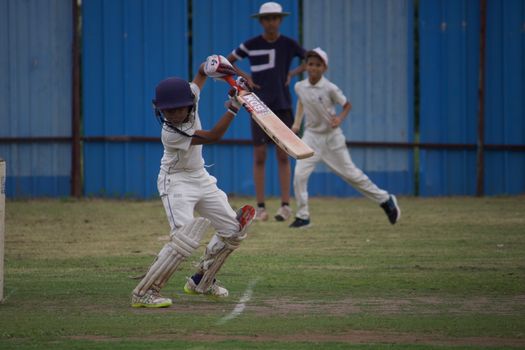
In a move that is stirring both excitement and scrutiny, Anvay Dravid, the son of former Indian cricket captain Rahul Dravid, has been named in the India Under-19 squad for an upcoming tour to Sri Lanka. The importance of this announcement extends beyond familial ties to one of cricket’s esteemed figures; it opens a discussion on the complex interplay of legacy, merit, and expectation within a sport that is both revered and intensely competitive in India.
Cricket in India is not merely a game; it’s a cultural phenomenon, and the Under-19 category acts as the breeding ground for future stars. Having Anvay Dravid on this team may engender immediate comparisons not only to his father but to the wider context of how young talents differentiate themselves in a sport marked by high-pressure expectations. The legacy of Rahul Dravid—often dubbed “The Wall” for his exceptional batting technique and fortitude—hangs heavily over his son. As Anvay prepares to step into the limelight, the question looms: will he emerge from his father’s shadow or be defined by it?
The magnitude of expectations can be daunting. Comparisons are inevitable in a nation where cricketing prowess is etched into the national identity. There’s a distinct pressure on Anvay, not just to perform, but to redefine his narrative and carve out an identity that resonates independently from that of his father. The challenge will not only be in showcasing his skills on the field but in developing a mental resilience that can withstand the weight of scrutiny that comes with being a Dravid.
Moreover, this selection raises a critical point regarding nepotism in sports. While Anvay’s inclusion may stem from the legacy and influence of his father, it remains essential to assess performance in the context of meritocracy. Inclusion in the Under-19 squad is a significant opportunity, but the pathway ahead demands consistent performance and resilience. How Anvay embraces this challenge could redefine the perceptions around privilege and access in Indian cricket.
Furthermore, this situation prompts us to reflect on the broader implications for youth cricket in the country. It is critical for selectors and coaches to maintain a balance between nurturing promising talent and avoiding the pitfalls of favoritism. Anvay’s selection should serve as a reminder that while connections may open doors, lasting success is determined in the crucible of competition.
As India’s Under-19 squad prepares for the tour of Sri Lanka, all eyes will be on Anvay Dravid. His journey will not only be a test of skill but also a reflection of how modern cricket navigates the confluence of legacy, expectations, and merit. Whether he rises as a formidable player in his own right or becomes another face under the burden of expectations will unfold in the many matches to come.