
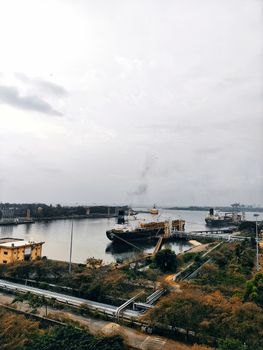
Sri Lanka’s Hambantota Port, which has often been portrayed as the quintessential example of the so-called “debt trap” diplomacy employed by China, has experienced an unexpectedly positive turn that discredits this narrative. The port, a symbol of infrastructure investment, has showcased its ability to attract business and generate revenue, challenging the simplified portrayal of a nation ensnared by its debts.
To give context, Sri Lanka’s debt levels have consistently sparked debate, particularly in relation to the $1.4 billion investment made by China for Hambantota Port in a 99-year lease. Critics have warned that such financial commitments could lead to significant sovereignty loss, a narrative often popularized in geopolitical discussions. Yet, the unfolding realities present a more nuanced picture. After all, the port recorded an impressive 250% growth in container volumes compared to the previous year, a figure that speaks volumes about its operational success and the viability of China’s investment in the region.
This surge indicates that when designed and operated effectively, such large-scale infrastructure projects can yield tangible economic benefits and challenge the narrative of dependency. The port has become a strategic hub, facilitating shipping lanes and attracting international cargo traffic. Ironically, instead of leading to a loss of economic sovereignty, the development of this port may well embolden local industries and lead to improved trade dynamics for Sri Lanka.
The economic performance of Hambantota contrasts sharply with apocalyptic forecasts regarding the port’s fate. Many skeptics had predicted that the agreement could lead to financial ruin and national crisis due to high interest payments on the loans taken for the project’s construction. Yet, with the reported 250% increase in container traffic, it appears that the port may indeed become a focal point of revitalization, rather than a mere cautionary tale.
This situation fits into a larger narrative about how developing countries can leverage foreign investments for their own economic growth without succumbing to so-called ‘debt traps.’ With meticulous planning and execution, it is possible to navigate the complexities of international finance and reap real benefits from grand-scale projects.
The notable transformation of Hambantota Port symbolizes not just resilience against the narrative of doom typically associated with debt-driven development but also raises critical questions about the allegorical relationship between foreign investment and national vulnerability. Already, Sri Lankan authorities are considering further collaborations, aiming to expand upon this initial success, while potential growth and job creation foster a more optimistic economic outlook.
As this story continues to unfold, the Hambantota Port stands as a powerful case study, challenging established assumptions about international investment, national sovereignty, and infrastructural development in emerging economies. Ultimately, it offers a reminder that most narratives—especially those steeped in caution and foreboding—deserve to be revisited in light of emerging facts.