
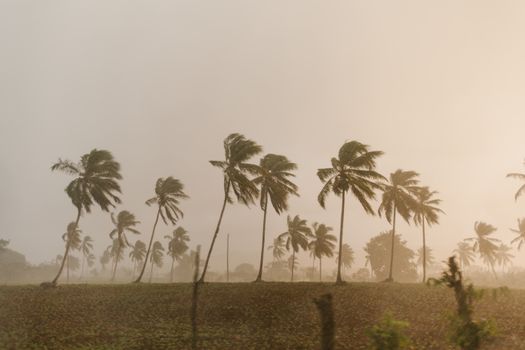
Japan’s recent decision to provide $1.33 million to support cyclone-affected communities in Sri Lanka raises important questions about the effectiveness and implications of foreign aid in times of crisis. At first glance, this contribution appears to be a benevolent gesture aimed at alleviating suffering. However, a closer examination reveals underlying challenges that merit scrutiny.
The sum of $1.33 million, while seemingly generous, raises questions about its adequacy in addressing the extensive needs of a community reeling from a natural disaster. Cyclones can wreak havoc, leading to widespread displacement, infrastructure damage, and long-term economic decline. In many cases, the immediate financial contributions are insufficient to restore communities to a stable condition. The impact of a cyclone is not just about the immediate relief; it extends into months, if not years, of recovery efforts. Dependency on aid — especially when the amounts provided do not match the extensive rehabilitation needs — can hinder sustainable progress.
Furthermore, this assistance from Japan, arguably a nation with vast resources, opens a dialogue about the scope and scale of international aid. Are such financial contributions a mere band-aid on a gaping wound? Countries like Sri Lanka, already burdened by economic challenges, require substantial investment to build resilience against future disasters. One-off contributions can create a false sense of security and may obscure deeper issues, such as governance, disaster preparedness, and infrastructure investment.
Moreover, the geopolitical dynamics at play should also be considered. Japan’s aid may serve dual purposes—humanitarian as well as strategic. By extending financial support to Sri Lanka, Japan strengthens bilateral relations and positions itself as a key player in the region amidst the growing influence of other nations. The question remains: will this aid translate into long-term partnerships that genuinely prioritize the welfare of the affected communities, or is it merely a calculated move in a larger geopolitical strategy?
Ultimately, Japan’s contribution must be viewed through a lens that balances immediate humanitarian relief with the need for sustainable development. For aid to be effective, it must be part of a broader strategy that includes local participation, infrastructure rebuilding, and economic diversification. Without such an approach, the cycle of dependence on aid will continue, and communities will remain vulnerable in the face of future cyclones or other disasters.
As the world watches, the emphasis must shift from merely providing funds to implementing comprehensive recovery programs that address both the symptoms and the root causes of vulnerability. The $1.33 million figure may represent a starting point, but it should also spark a conversation about creating a robust, holistic framework for disaster response that empowers affected communities rather than keeps them in a perpetual state of reliance.