
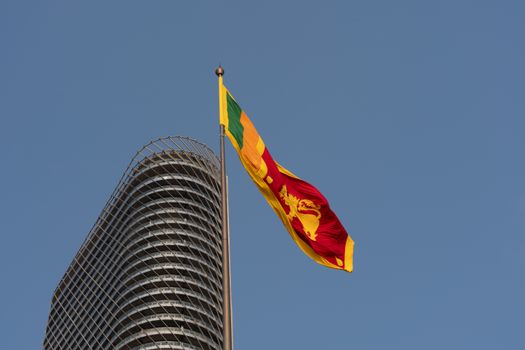
Sri Lanka’s decision to expand its 30-day free tourist visa program is a strategic initiative aimed at bolstering tourism from both the Asia-Pacific and Gulf regions. By joining Oman in this endeavor, Colombo is not merely looking to attract more travelers; it is embarking on a larger journey to revitalize its economy post-pandemic. However, the implications of such policies extend beyond tourism’s economic benefits. A deeper analysis reveals potential pitfalls and the pressing need for a comprehensive approach to tourism sustainability.
The 30-day free tourist visa program instituted by Sri Lanka signals an aggressive push to increase tourist numbers. While expanding access is an essential lever for growth—especially in the wake of COVID-19’s devastation—one stark reality looms: is the infrastructure in place to support an influx of visitors? The indisputable appeal of Sri Lanka’s beaches, hills, and cultural heritage must be matched by efficient transportation, hospitality services, and safety measures. Without fortification in these areas, the country risks overwhelming its existing systems, which could lead to dissatisfaction among both locals and tourists.
Furthermore, aligning tourism growth with environmental sustainability remains an unresolved challenge. The natural resources that attract tourists also face extreme pressures from increased foot traffic and commercialization. Sri Lanka’s rich biodiversity is paramount, and failing to integrate eco-friendly practices could lead to long-term ecological damage. The ambition to harness tourism’s revenue potential should not overshadow the urgency of protecting the very environment that visitors come to experience.
The collaboration with Oman also raises questions surrounding geopolitical dynamics and competitive tourism strategies in the region. Oman has been diligent in cultivating its own tourism sector, and while partnerships like this can foster mutual growth, they can also create an overly competitive landscape where countries vie for the same tourist dollars. This could inadvertently lead to a race to the bottom in terms of pricing, potentially harming the quality of tourism and diminishing the experience for travelers who choose Sri Lanka or Oman, both of which need to project stability and quality in the services offered.
Moreover, while expanding the visa program targets growth in tourism, the question of inclusivity and diversity is paramount. Will the benefits of the increased tourist influx reach all segments of Sri Lankan society, or will they be concentrated in a few urban hotspots, thereby exacerbating existing inequalities? A broader approach must be adopted to ensure that communities outside major tourist destinations are given opportunities to be part of this growth story.
In an era that increasingly values authenticity, Sri Lanka’s challenge will be to maintain its cultural integrity while adapting to an influx of foreign visitors. The country has a unique identity that, if diluted in the pursuit of mass tourism, could alienate both residents and potential repeat visitors. A comprehensive marketing strategy that showcases the authentic Sri Lankan experience—as opposed to a homogenized tourist package—will be vital in cultivating long-term relationships with travelers.
The expansion of the 30-day free tourist visa program positions Sri Lanka on a promising path, yet this opportunity must be navigated with care. Without robust infrastructure, environmental stewardship, and respect for cultural authenticity, this move could yield more challenges than benefits. As Sri Lanka takes this leap forward, a conscientious and inclusive approach will be essential to ensure that the growth of its tourism sector is sustainable and equitable for all.