
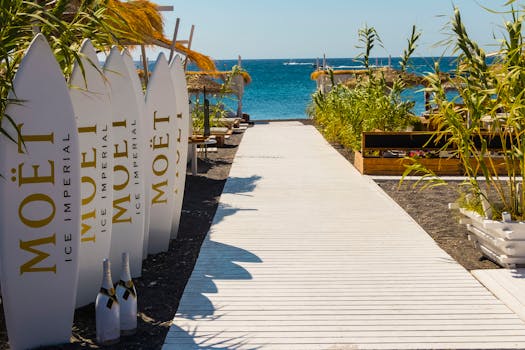
The announcement that Sri Lanka is joining the ranks of India, the UK, China, Germany, Russia, France, Australia, and Poland in boosting tourism for 2026 raises a number of questions about the sustainability of such ambitions amid ongoing global challenges. While the projection of “historic arrivals” could indicate a resurgence in post-pandemic travel, it necessitates an examination of the potential consequences—both positive and negative—of chasing record numbers of tourists.
The infusion of luxury beach escapes and cultural experiences paints an inviting picture, yet the implications this has on local ecosystems and cultural integrity cannot be overlooked. Sri Lanka’s pristine beaches and rich heritage are among its key selling points, but will the influx of tourists lead to their degradation? Already, popular destinations worldwide face the double-edged sword of overtourism, which can result in environmental destruction and a dilution of local culture as commercialization takes precedence.
As nations like Sri Lanka ramp up their tourism efforts, it remains essential to scrutinize the criteria for what constitutes “unforgettable travel experiences.” Will these experiences remain authentic, or will they morph into curated spectacles geared towards maximizing profit? The allure of diverse cultural interactions should not come at the expense of erasing the very qualities that make these destinations unique.
Furthermore, the comparison with other nations committed to boosting tourism presents a broader context of competition. If the goal is merely to shatter records without a comprehensive strategy for managing the inflow of visitors, Sri Lanka risks becoming another entry in a race to the bottom. Other countries mentioned have had mixed fortunes with tourism-driven economies, suffering from periods of volatility and backlash against mass tourism.
Economic benefits, often touted in tourism narratives, are tangible, but what of the hidden costs? The jobs created in the hospitality sector can provide crucial support for local communities, but these jobs often come with precarious conditions. The dependency on seasonal tourism fluctuates with global events, leaving economies vulnerable to downturns.
Finally, the question of infrastructure cannot be ignored. Are the roads, airports, and essential services adequately prepared for this anticipated surge? The promise of record-breaking tourism should also account for investment in infrastructure that benefits both tourists and residents alike. Without such considerations, the dream of thriving tourism could easily spiral into a logistical nightmare.
Sri Lanka’s bold step towards boosting tourism against a backdrop of global trends is commendable, but unchecked enthusiasm must be tempered with an awareness of the responsibilities that come with it. A future where tourism uplifts rather than overwhelms is one worth pursuing, but only if it prioritizes authenticity, sustainability, and community well-being over mere numbers on a page.