
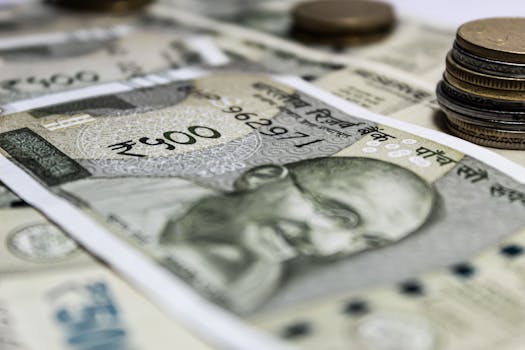
The recent marginal strengthening of the Sri Lankan Rupee against the US Dollar could be perceived through several critical lenses, each echoing deeper economic ramifications and societal implications.
First, it’s essential to note the context in which the Rupee is making this move. “Marginally strengthens” doesn’t tell the complete story of a currency that has faced severe devaluation over the past few years. This rebound, however slight, could signal a momentary market correction rather than a robust recovery. Many economists in Sri Lanka and abroad recognize that currency fluctuations often serve as indicators of broader economic conditions, including inflation rates, employment levels, and confidence in local governance.
Investigating the underlying reasons for this strengthening, one must consider Sri Lanka’s recent struggles with foreign reserves, which have been alarmingly low. Many are left wondering whether this increase is fueled by short-term factors, such as remittances from expatriates or temporary boosts in foreign investment, which can yield fleeting gains in currency strength. If this is the case, the Rupee’s value may not be on solid ground but rather fluctuating within a precarious balance.
Moreover, the socio-economic landscape in Sri Lanka further complicates interpretations of this currency movement. With rising food prices and essential goods becoming increasingly unaffordable for many citizens, any minor benefit from a stronger Rupee may not materialize in terms of day-to-day purchasing power. The casual observer may celebrate this slight uptick, but the reality for the average Sri Lankan worker remains fraught with economic strain.
The interplay between government policies and market reactions deserves close scrutiny as well. Authorities may take this marginal gain as a sign of effective economic management, using it to bolster public confidence. However, the government must remain vigilant to the possibility of overestimating this fortuitous moment, which can lead to complacency in addressing structural economic problems that still plague the nation.
In conclusion, while the marginal strengthening of the Sri Lankan Rupee against the US Dollar may encourage favorable headlines, it calls for a deeper analysis beyond surface-level data. This movement should ignite discussions about the structural issues within the economy, the sustainability of such gains, and ultimately, the impact of these fluctuations on the everyday lives of the people of Sri Lanka. A mere focus on currency appreciation risks neglecting the more profound economic woes that continue to burden the populace.