
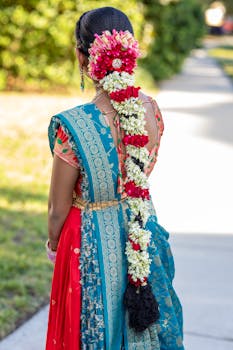
The narrative surrounding the multicultural wedding in Sri Lanka, drawing inspiration from 1980s Kathmandu, highlights an intricate tapestry woven from historical and cultural threads that begs deeper reflection. At first glance, this wedding might appear as a celebration of diversity, but underneath this surface lies a complex interplay of cultural appropriation, historical context, and the commercialization of tradition.
One striking aspect of this event is the choice to evoke a location and era that holds significant cultural weight. Kathmandu in the 80s was not merely a backdrop; it represented a transformative time in Nepal’s history, oscillating between a rich cultural heritage and the influx of modernity, which altered social landscapes. By anchoring a wedding in this era, the protagonists suggest a longing for a romanticized version of diversity and cultural confluence. However, what does this romanticization actually mean? Does it gloss over the historical socio-political dynamics of the region, including struggles for identity and autonomy amidst globalization?
The decision to highlight a wedding in Sri Lanka brings forth another layer of complexity. Sri Lanka, a nation entrenched in civil conflict and a rich amalgamation of ethnicities, serves as a poignant reminder of how multiculturalism can be both a source of beauty and a flashpoint for tension. The juxtaposition of Sri Lankan culture with the influence from Kathmandu challenges us to consider the authenticity of this cross-cultural exchange. Is this integration a genuine appreciation for the interconnectedness of cultures, or is it more reflective of a trend that commodifies cultural symbols for aesthetic pleasure?
Moreover, in the age of social media and reality-based programming, extravagant weddings have become a tool for self-expression and societal storytelling, often emphasizing wealth over genuine connection. The wedding in question raises questions about the implications of such displays. Culturally rich contexts risk being stripped of their nuances and transformed into visual narratives that cater to a globalized audience. This commodification raises ethical questions about ownership and representation—who gets to tell these stories, and to what end?
The allure of multicultural weddings might seem appealing, but it risks creating an oversimplified narrative that frames complex histories and identities in a palatable, consumable form. As one observes the flourishing trend of wedding-inspired content, particularly in fashion and lifestyle spaces like Vogue India, it becomes crucial to interrogate who benefits from these narratives and how they shape our understanding of culture.
In conclusion, while the wedding in Sri Lanka inspired by Kathmandu’s past paints a picture of cross-cultural harmony, it simultaneously serves as a reminder of the responsibilities that come with such celebrations. In an era increasingly dominated by spectacle, genuine dialogue about cultural representation and respect remains vital. The beauty of multicultural events is undeniable, but the depth of their meaning requires careful examination, lest the essence of these rich cultures be lost in translation.