
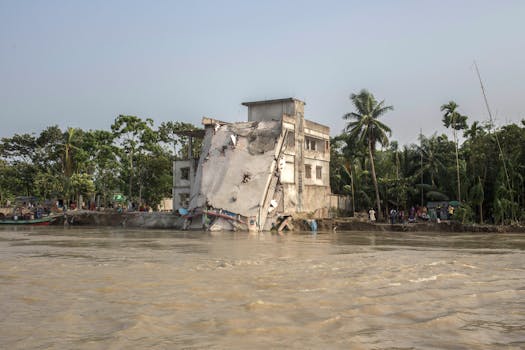
The Kantale Tank disaster, which struck Sri Lanka forty years ago, remains a glaring indictment of the nation’s negligence towards dam safety. This catastrophe, which led to over 200 deaths and devastated the surrounding region, has not resulted in the establishment of a dedicated regulatory framework for dam safety, a glaring oversight that continues to jeopardize communities living in the shadow of these vital infrastructures.
More than four decades after the disaster, Sri Lanka finds itself in an alarming paradox. On one hand, the country has made strides in various sectors, but on the other, it remains haunted by the specter of inadequate safety measures for its dams. The absence of a transparent and accountable regulatory body is not merely an oversight; it highlights a systemic failure in governance and risk management. With the number of aging dams increasing—many built decades ago without adequate safety protocols—the threat of a similar disaster looms larger than ever.
The scale of the problem is significant. According to reports, there are nearly 12,000 registered irrigation reservoirs in Sri Lanka, many of which are in dire need of maintenance and assessment. Without a regulatory framework, the maintenance and monitoring of these dams falls into a grey area, often treated as an afterthought in budgetary allocations. This stark reality becomes even more concerning when considering the existing infrastructural vulnerabilities, particularly as climate change exacerbates weather patterns, increasing the risk of flooding and other natural disasters.
The absence of dam safety regulations is symptomatic of a broader neglect towards disaster preparedness. While Sri Lanka has experienced its fair share of climatic challenges—from monsoon floods to droughts—there has been insufficient political will to prioritize comprehensive disaster management and infrastructure protection. This neglect raises questions about the priorities of state governance and whether the safety of citizens is genuinely a concern for those in power.
Local communities, many of whom depend on these reservoirs for agriculture and daily life, are left to navigate these uncertainties without the assurance that their safety is being actively prioritized. The lack of concrete action not only exposes critical weaknesses in the infrastructure but also fosters a culture of complacency among both officials and local populations.
As Sri Lanka marks the anniversary of the Kantale Tank disaster, the call for a structured, effective dam safety regulation is not just a plea for reform; it is a necessity. Stakeholders, from local communities to national policymakers, must engage in robust discussions about creating and enforcing safety standards. This is not merely an administrative task; it’s a moral obligation to protect lives and livelihoods.
In a landscape fraught with governance challenges, the establishment of a dam safety regulator could serve as a benchmark for improved oversight across other sectors as well. It is time for Sri Lanka to confront its past head-on and take decisive steps to prevent such tragedies from occurring again. The future of its citizens depends on it.