
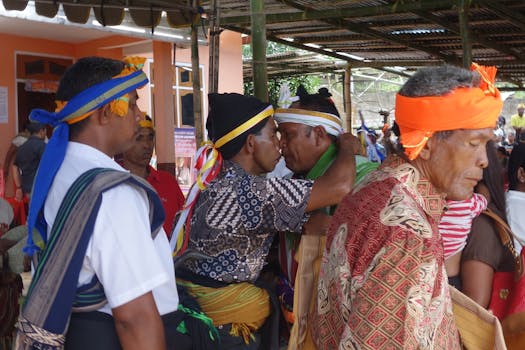
In Sri Lanka, the tradition of ‘dansal’ remains a significant cultural practice, particularly during religious festivals. This ritual involves serving free food to the public, embodying compassion and community spirit. Its roots can be traced back to ancient significance, where offering meals to those in need reinforced social bonds among individuals.
During recent events, dansal has played a crucial role in helping the less fortunate, especially amid economic challenges facing the nation. Communities organize these events with the aim of providing sustenance and support, fostering unity among Sri Lankans, regardless of their background. The initiative not only addresses immediate hunger but also serves as a potent reminder of the importance of compassion within society.
Analytical Perspective: The practice of dansal demonstrates the resilience of cultural traditions in addressing contemporary social issues. By providing free meals, communities not only combat food insecurity but also reinforce social cohesion. This act of kindness highlights the significant role that collective cultural practices can play in cultivating a supportive environment in times of hardship, illustrating how tradition can adapt and respond to modern challenges.
Public domain and our sources.