
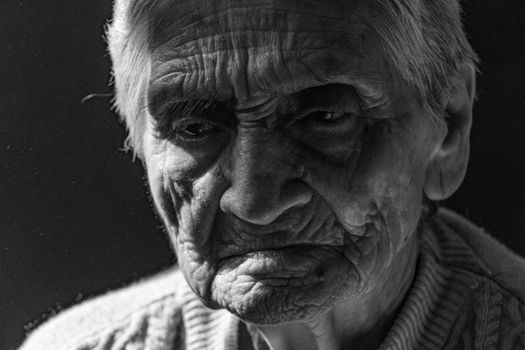
On World Elder Abuse Awareness Day, which was marked in Sri Lanka, attention was drawn to a pressing issue that too often remains in the shadows: the mistreatment of the elderly. Festivities held across the country served as a reminder that while Sri Lanka takes pride in its cultural traditions that often emphasize respect for the elderly, the reality is starkly different for many.
The prevalence of elder abuse, both physical and psychological, calls into question the effectiveness of societal values that profess care and respect for the aged. Statistics illuminating the extent of this issue are sorely needed to inform public policy, yet often remain vague or unreported. The lack of comprehensive data collection on incidents, demographics affected, and the different forms of abuse undermines any attempts to address this critical concern. In a nation where the population is aging rapidly, understanding the scale of elder abuse becomes essential not only for ethical considerations but also for the sustainability of social welfare systems.
Organizations present on this day emphasized the importance of community awareness and the need for preventive measures. Yet, there seems to be a disconnect between awareness-raising efforts and tangible actions that can mitigate the risk of elder abuse. Public campaigns have their limitations if not supported by robust legal frameworks and protective services. The Sri Lankan government must take a proactive stance, examining existing legislation related to elder rights and creating a comprehensive action plan to combat abuse.
Furthermore, cultural attitudes pose significant challenges to tackling this issue. In many communities, there exists a stigma surrounding the reporting of elder abuse. Families may prefer to deal with such issues privately, perpetuating cycles of abuse and neglect. The breaking down of these stigmas necessitates not just awareness days but an aggressive push for education about elder care and rights.
As Sri Lanka observes this day, it is imperative to translate the awareness generated into effective policy changes and cultural shifts that prioritize the safety and dignity of older citizens. The challenge lies not just in recognition of elder abuse but in a collective commitment to eradicate it, ensuring that respect for elders is more than just a cultural tenet but a lived reality. The path forward is fraught with difficulties, but it is one that must be taken for the sake of the elders who deserve respect and protection in their twilight years.