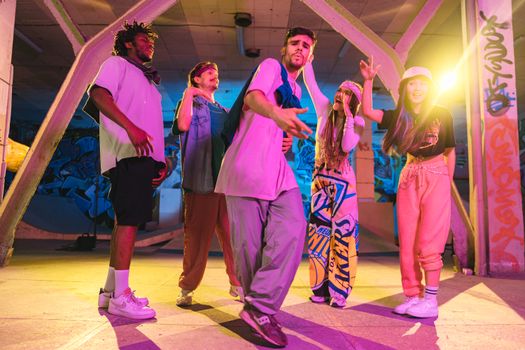
City of Dreams Sri Lanka recently unveiled “Urban Pop Reimagines Colombo,” but the sheer ambition of this initiative raises several questions. On the surface, this endeavor appears to be a bold attempt to breathe life into the urban landscape of Colombo, an initiative that signifies growth and modernization in a city steeped in cultural history. However, scrutiny unveils a more complex narrative about creative expression amid socio-economic realities.
The event signifies a movement towards reinterpreting urban culture, striking at the heart of what Colombo could and should represent. Yet, one must ask: who truly benefits from this reimagined urban experience? While the imagery of urban pop art can ignite excitement and hope, it is essential to analyze the segmentation of such movements within a wider societal context, especially in a city grappling with significant challenges.
The question looms large whether initiatives like this tangibly address the everyday struggles faced by many residents. The glitz and glamour associated with artistic expressions risk overshadowing the underlying economic disparities. With approximately 29% of Colombo’s population living below the poverty line, these ventures must grapple with the reality of exclusion. The vibrancy of urban pop can easily serve as a veneer over ongoing issues, leading to a disjunction between the artist’s expression and the citizens’ lived experiences.
Moreover, the selection of artistic expressions showcased in “Urban Pop Reimagines Colombo” warrants critical examination. Art in urban spaces often reflects the socio-political climate, yet the nature of this representation must resonate beyond aesthetics to provoke genuine dialogues. If art fails to challenge societal norms or inspire grassroots movements, it risks becoming a mere backdrop to far more pressing issues within the community.
Crowds may flock to behold the spectacle, but how many of these art enthusiasts will engage with the narratives behind the artwork? It is vital that such events do not devolve into a form of tokenism, offering diluted experiences rather than fostering substantive connections with the community. Artistic representations must not only reflect an idealized version of Colombo but engage actively with the pressing narratives of marginalization and socio-economic inequity.
As Colombo aspires to position itself as a cultural hub, balancing urban art initiatives with the realities of its inhabitants remains a challenge. “Urban Pop Reimagines Colombo” beckons a rethinking of urban identity, but this must involve a genuine integration of diverse voices and experiences. Without this, the endeavor risks becoming an isolated celebration rather than a catalyst for meaningful change across the vibrant, yet often divided, spectrum of Colombo’s society.