
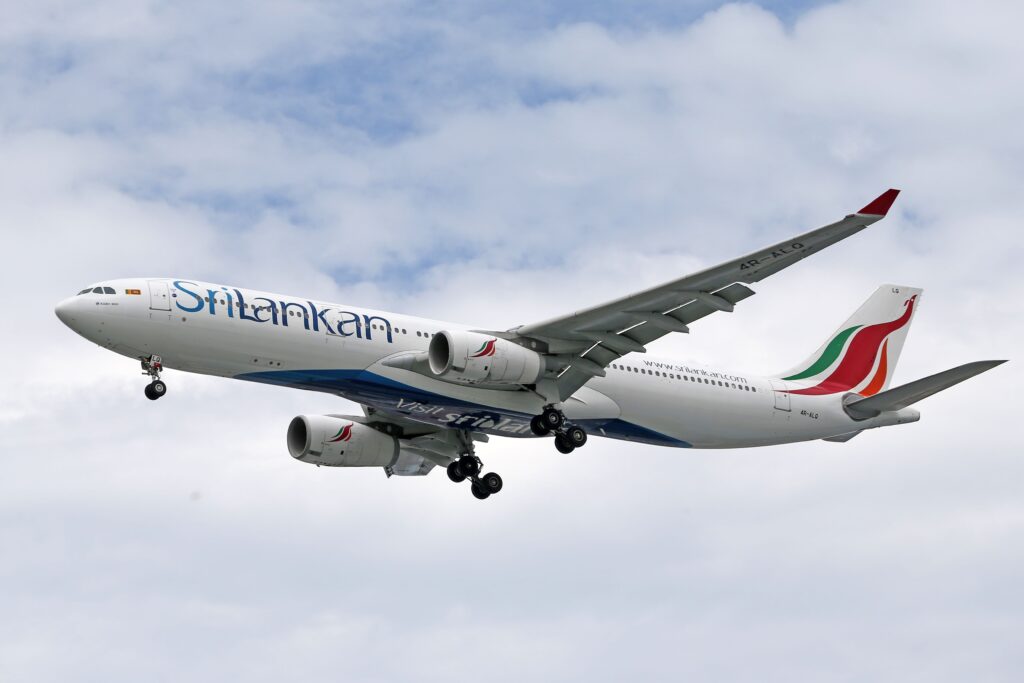
SriLankan Airlines has embarked on an ambitious strategy by partnering with Saudi Arabian carriers Saudia and Flynas to expand air travel connectivity between Saudi Arabia and Sri Lanka. This initiative is positioned as a groundbreaking advancement in global connectivity, yet several critical angles emerge when examining its potential impact and implications.
The expansion aims to enhance the travel links both through expanded route networks and improved access to the Colombo hub. Such initiatives are not purely logistical feats; they reflect broader trends in international travel while raising essential questions about economic ramifications, service quality, and the overall strategic intent of SriLankan Airlines in an increasingly competitive aviation landscape.
Firstly, the assertion of a “massive global connectivity breakthrough” invites scrutiny. While the intent may be to create seamless access to an important hub for travelers—especially in light of the ongoing recovery post-pandemic—the effectiveness of this expansion relies heavily on execution. Will SriLankan Airlines maintain competitive pricing, handle increased passenger volumes efficiently, and ensure high-quality service? The success of such partnerships depends on more than just the romantic notion of global connectivity; it hinges on tangible improvements in customer experience and operational reliability.
Moreover, there’s also the issue of market demand. The Middle East has historically been a key source market for Sri Lankan tourism, with thousands of expatriates and tourists traveling between these regions. However, the viability of this expansion hinges on a few essential factors—are sufficient passenger loads guaranteed through these new routes? With fluctuating travel demands in a post-COVID landscape, a prudent analysis is necessary to justify the extensive investment in expanded networks.
The announcement essentially positions SriLankan Airlines as a critical player in the regional aviation sector but risks becoming a case study in overreach if the demand projections do not align with reality. As competitors continually innovate and optimize their flight offerings, SriLankan Airlines must not only leverage its alliances with Saudia and Flynas but also safeguard its operational decisions.
Lastly, it is essential to examine the broader economic ramifications. Enhanced connectivity can stimulate tourism and business travel, leading to increased bilateral trade and investment between Saudi Arabia and Sri Lanka. While this could yield economic benefits for both countries, the reliance on tourism alone poses a risk—especially if external factors, like economic downturns or geopolitical tensions, disrupt travel patterns.
In summary, the strategic expansion of SriLankan Airlines, Saudia, and Flynas aims to usher in a new era of connectivity between Saudi Arabia and Sri Lanka. However, the promise of this endeavor requires careful navigation through understanding market dynamics, ensuring customer satisfaction, and mitigating potential risks. This initiative could indeed transform air travel links, assuming that the execution meets the heightened expectations it sets forth.